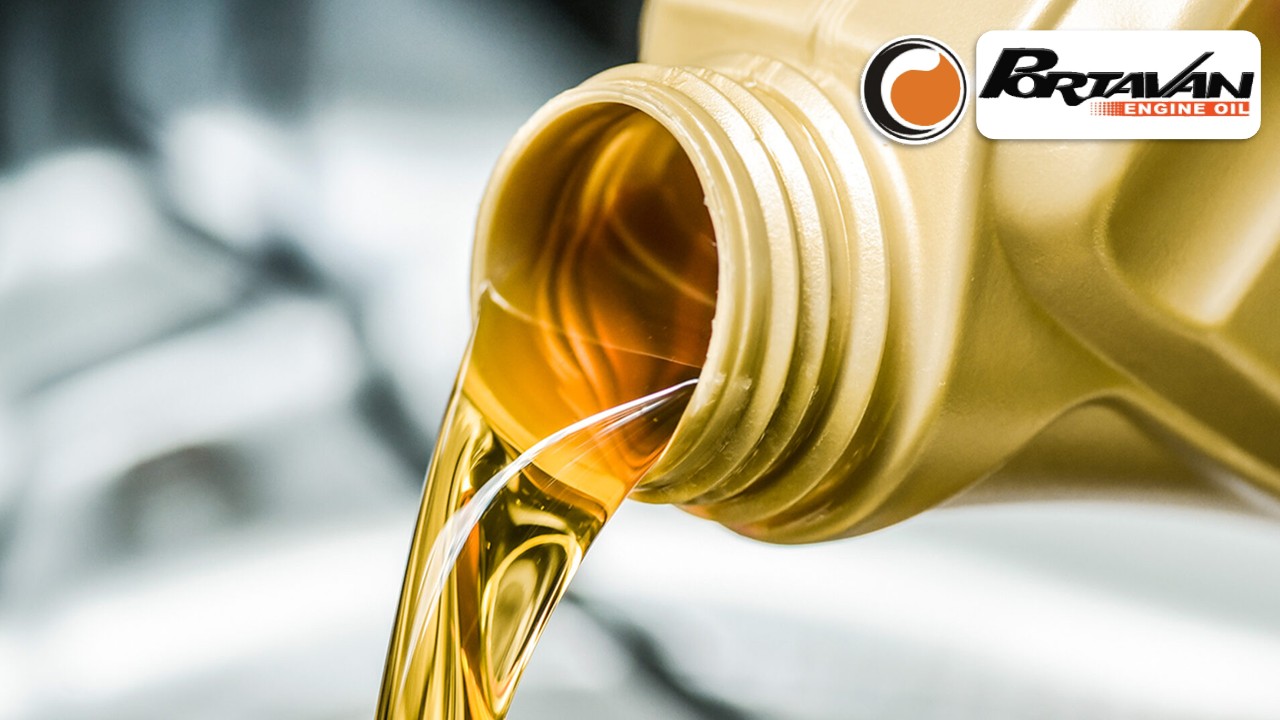
Don’t Neglect Your Engine’s Lifeblood: Why Your Oil Choice Matter
You wouldn’t ride without a helmet, and you wouldn’t take a corner without confidence in your tires. So, why treat your engine oil as an afterthought?
Your engine is a masterpiece of moving parts, all working in high-speed harmony. Engine oil is what makes that harmony possible. It’s the invisible shield that fights friction, the coolant that fights heat, and the cleaner that keeps your engine running like new.
But here is the catch: Not all oil is created equal.
Whether you are carving canyons on a sportbike or crossing continents on an adventure tourer, your engine has specific needs. Picking the wrong viscosity or a low-grade oil isn’t just a bad decision—it’s a threat to your ride. Substandard oil can lead to sluggish power, overheating, and the ultimate rider’s nightmare: engine failure in the middle of nowhere.
The good news? The right oil makes every ride better. It smooths out the power, protects your investment, and gives you the peace of mind to focus on what really matters: the road ahead.
The World of Engine Oils: Which One is Right for Your Iron Horse?
You might think oil is just “oil” and that they’re all more or less the same. But the truth is, the world of lubricants is much deeper than that. Choosing the right oil is like choosing the right fuel for a body that’s destined to conquer miles of open road. Let’s take a look at the three main heroes on the lubricant shelf:
1. Mineral Oil:
Derived directly from refined crude oil, this is an economical and reliable choice for older engines or those with lighter workloads. If your motorcycle is straightforward and you use it for casual cruising, mineral oil provides a solid baseline of protection. Just remember: you’ll likely need to change it more frequently than the other options.
2.Full Synthetic Oil:
Born in a laboratory through advanced chemical processes, full synthetic oil is like a bulletproof vest for your engine. It doesn’t flinch under extreme temperatures, it minimizes friction to the absolute limit, and it allows your engine to breathe with maximum power. If you crave high performance or are prone to long-distance touring and high-stress riding, this is the ultimate investment.
3.Semi-Synthetic Oil:
A clever blend of the worlds of mineral and synthetic! This option is for the rider who wants the best of both worlds: someone who refuses to compromise on performance but also wants to be mindful of their budget. Semi-synthetic oil offers an excellent balance of price and protection, making it a smart choice for almost any motorcycle you can imagine.
Decoding the Numbers: Understanding Viscosity and the Rhythm of Your Ride
Ever looked at an oil bottle and wondered what those cryptic numbers like 10W-40 or 20W-50 actually mean? It’s not just math—it’s the secret code that tells you how your oil will behave when you’re starting your journey in the freezing dawn or pushing your limits under a blistering midday sun.
Think of viscosity as the “flow” of your engine’s lifeblood. Here is how to crack the code:
The “W” Factor: Your Morning Hero
The first number, followed by that little “W,” stands for Winter. This is all about that crucial moment when you turn the key. A lower number (like 5W or 10W) means the oil is thinner and more agile when cold. It races through your engine’s narrow channels instantly, ensuring that every moving part is coated and protected the very second you roar to life. No sluggish starts, no dry metal—just instant readiness.
The Second Number: Your High-Heat Guardian
The second number is where the real grit shows. This tells you how the oil holds its shape when things get intense. As your engine heats up and the RPMs climb, you need an oil that doesn’t “break down” or turn into water. A higher second number means the oil maintains a thick, protective film even under heavy loads and extreme heat, acting as a shield between your metal components when the pressure is on.
The Goldilocks Rule: Not Too Thin, Not Too Thick
Choosing the right viscosity is all about finding that “just right” balance for your specific world:
Don’t Guess—Consult the Blueprint
Your motorcycle is a finely tuned masterpiece, and its manufacturer has already done the heavy lifting for you. Your manual is the ultimate truth. It will tell you exactly which viscosity your engine was designed to breathe with.
Ignoring these numbers is a gamble you don’t want to take. The wrong viscosity can lead to a thirsty engine, excessive wear, or the dreaded overheating in the middle of nowhere.
Respect the numbers, follow your manual, and always look for those SAE and JASO stamps of quality. Get the viscosity right, and your engine will reward you with smoother power, better efficiency, and a much longer life on the road.
Mastering Your Oil Change Routine
If the engine is the heart of your motorcycle, then regular oil maintenance isn’t just a “to-do” list item—it’s a ritual of respect. You wouldn’t expect a world-class athlete to perform without proper nutrition and recovery, so why expect your engine to perform without fresh, clean oil?
Staying on top of your oil isn’t just about avoiding a breakdown; it’s about feeling that seamless connection between your hand, the throttle, and the road. Here is how to master the art of engine care:
1.Listen to the Clock (and the Odometer)
Don’t wait for a warning light to tell you something is wrong—by then, it might be too late. Most riders find their “sweet spot” for an oil change between 3,000 and 6,000 miles, but remember: your riding style dictates the schedule. If you’re constantly weaving through heavy city traffic or pushing hard on mountain twisties, your engine is working harder and needs fresh oil sooner.
2.The Quick Check: Your Engine’s Pulse
Don’t make oil changes a mystery. Get into the habit of a quick “pulse check.” Grab a clean dipstick and look at two things: Level and Color.
3.The “Golden Rule” of Changes: Never Skip the Filter
The filter is your engine’s primary defense, capturing the dirt and tiny metal particles that try to wreak havoc on your internals. Always, always swap the filter when you swap the oil.
4.Pro-Tips for a Pro Result
Why Portavan?
Choosing Partavan MC1 or MC PRO 1 means choosing ultimate reliability for your motorcycle. Specifically formulated to enhance lubrication and slash friction, these oils protect your engine’s vital parts and significantly extend its life. Whether you’re navigating stop-and-go city traffic or pushing your limits on the open road, Partavan ensures smooth operation, keeps your engine clean, and reduces wear and tear. With Partavan, you aren’t just buying oil; you’re investing in consistent performance, premium protection, and total peace of mind.