In a world increasingly focused on reducing environmental impacts, it is essential to explore every possible pathway toward sustainability. At Mahtab Motor Gorgan, we are committed to doing our part to protect the environment. One of the most effective — yet often overlooked — ways we can make a meaningful difference is through the recycling of used oil.
At first glance, used oil may not seem like a major environmental concern, but it plays a significant role in reducing the carbon footprint of the transportation sector. Let’s take a closer look at why recycling used oil is crucial in the fight against climate change and how it directly contributes to greener, more sustainable transportation.
Environmental Impacts of Used Oil
Used oil is often disposed of improperly, leading to serious environmental consequences. Just one gallon of used oil can contaminate up to one million gallons of fresh water, putting wildlife and entire ecosystems at risk.
Additionally, when used oil is not recycled, its disposal in landfills or through incineration releases hazardous pollutants into the air.
The environmental impact becomes even more significant when we consider its relation to the transportation industry. Vehicles rely on oil for lubrication, cooling, and optimal performance. When used oil is not properly processed or recycled, valuable resources are wasted and the need for extracting and refining new oil increases — processes that contribute heavily to carbon emissions and environmental degradation.

How Used Oil Recycling Helps Reduce Carbon Emissions
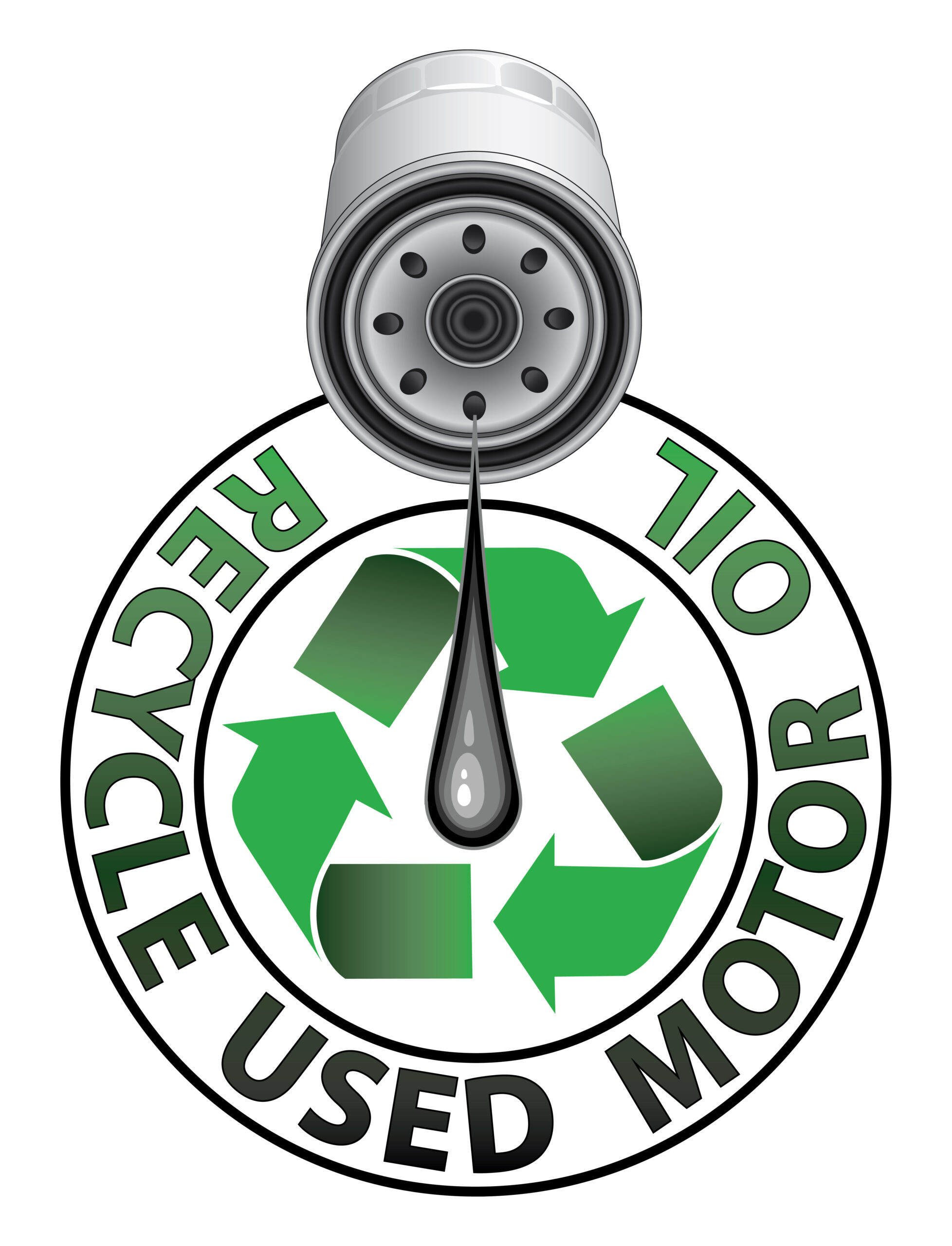
When used oil is properly recycled, it can be cleaned, refined, and reused in place of new oil. This significantly decreases the demand for extracting and refining fresh oil — activities that are highly energy-intensive and major contributors to carbon emissions.
Recycled oil does not end up in landfills or water sources. This prevents the release of dangerous pollutants and helps keep our air and water clean. Reduced pollution means fewer greenhouse gas emissions and less release of toxic chemicals into the environment.
During the recycling process, oils can be reprocessed into alternative fuels, particularly for industrial applications and heavy transportation. This also supports the development of sustainable biofuels, which offer cleaner energy solutions for the transportation sector.
Proper vehicle maintenance — including timely oil changes — is essential for optimal engine performance. A well-maintained engine consumes fuel more efficiently, directly reducing carbon emissions. By choosing recycled oil, you support a cleaner industry and contribute to higher efficiency and lower greenhouse gas emissions from vehicles.

How You Can Contribute
Big changes don’t always require big efforts. You can help in the following ways:
Change your engine oil on time and consider using engine oils produced from recycled base oils.
Educate those around you about the importance of recycling used oil. The more awareness we create, the more we can reduce waste and carbon emissions.
Look for ways to make your transportation habits more eco-friendly — from driving fuel-efficient vehicles to supporting businesses that actively work to reduce their carbon footprint.
A Small Step With a Big Impact
Recycling used oil may seem like a small action, but its role in reducing the transportation sector’s carbon footprint is undeniable. By refining and reusing used oil, we reduce the need for new resource extraction, minimize pollution, and even support the production of cleaner fuels.
At Mahtab Motor, we are proud to be part of this important movement toward a greener and more sustainable future.