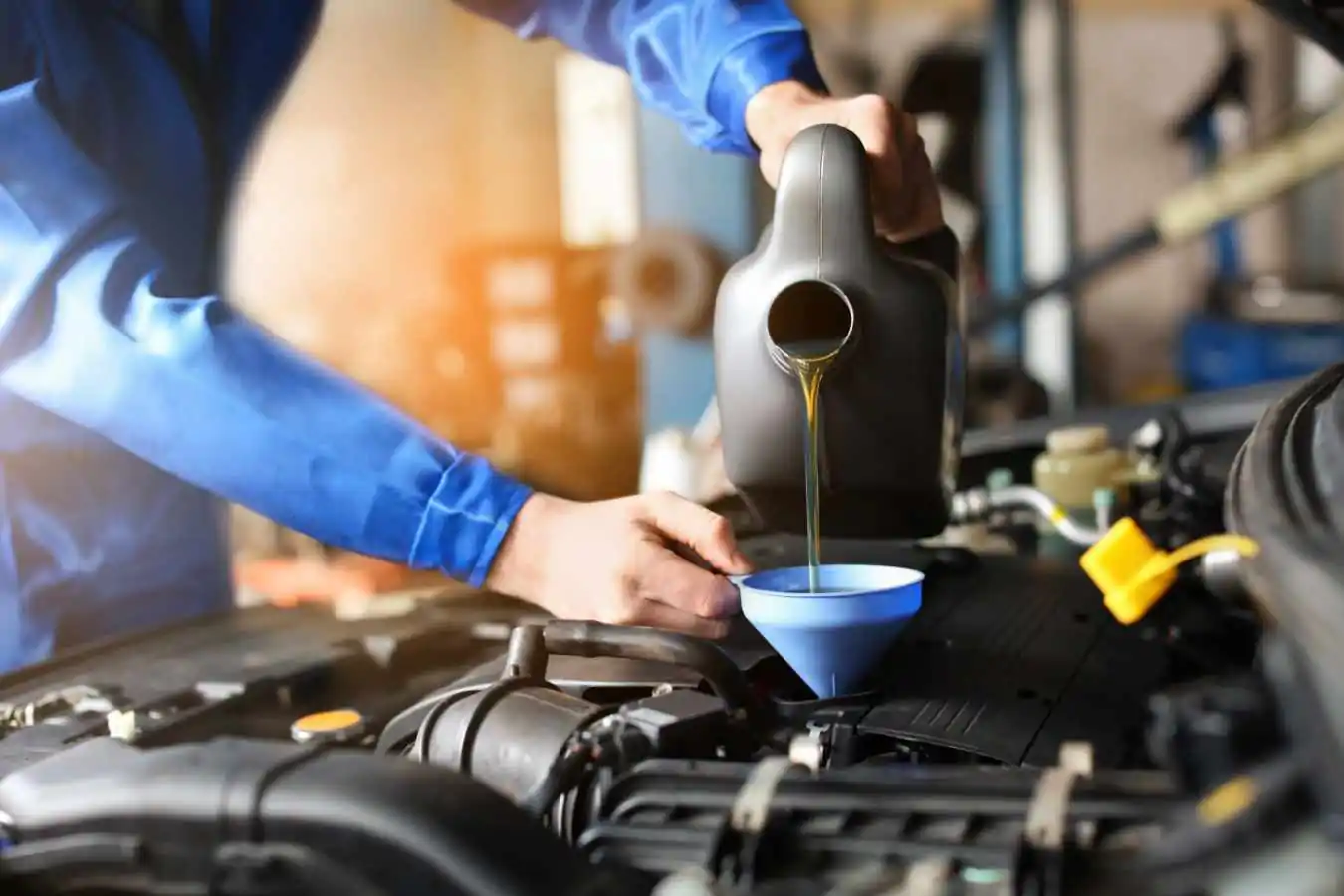
Changing the oil in a vehicle is typically a quick and hassle-free process, especially when performed at a modern automotive service center. Engine oil is one of the most critical factors for the health of a vehicle. Clean, high-quality oil improves engine performance and extends its lifespan. So why do many drivers postpone oil changes until a serious problem occurs?
Many drivers rely solely on mileage to determine oil change intervals, while other factors also play an important role, including oil quality, vehicle age, and driving habits. Fresh, clean oil lubricates engine components effectively, keeping the engine healthy and clean. Over time, however, oil breaks down and loses its ability to perform these functions. When this happens, vehicles typically display one or more of the following warning signs:
Check Engine or Oil Change Light
The most obvious warning comes from the vehicle itself. The oil change light illuminates when oil levels are low; therefore, check the level with the dipstick. In more severe cases, the check engine light may turn on, indicating a critical condition where inadequate lubrication or defective parts could damage the engine.
Engine Noise and Ticking Sounds
Oil forms a protective layer between engine components, preventing metal-to-metal contact and keeping the engine quiet. If the oil fails to perform this function, engine noise may increase. In severe cases, ticking or vibration sounds may indicate gradual wear and damage to engine parts due to insufficient lubrication.
Dark or Dirty Oil
Clean oil is amber-colored and relatively transparent. Over time, it collects particles and engine contaminants, darkening in color. This change is not always visible to the naked eye, so oil level and condition should be checked at least monthly. To do this, remove the dipstick, clean it, reinsert it, then remove it again. If the oil obscures the markings on the dipstick, it is time for an oil change.
Oil Odor Inside the Vehicle
If you smell oil inside the cabin, it may indicate an oil leak. If accompanied by gasoline or exhaust fumes, the engine may be overheating. In either case, the vehicle should be serviced immediately.
Exhaust Smoke
While a small amount of transparent vapor from the exhaust is normal, visible smoke indicates that the engine needs inspection. This may signal engine component issues or oil leakage.
High Vehicle Usage
If you have driven a significant distance in the past month, an oil change may be needed earlier than scheduled. Generally, oil changes are recommended every 3,000 miles or three months. Newer vehicles typically require oil changes every 6,000 miles or six months. The vehicle’s manual provides the most accurate guidance. For older vehicles, high-mileage (High Mileage) oil is recommended.
Timely Oil Changes
Changing the oil on schedule is a simple, low-cost, and crucial step to prevent premature engine aging. Maintaining proper oil level and quality prevents excessive wear on engine components and reduces future repair costs.
Need Further Guidance?
The Mahtab Motor team is ready to recommend the best engine oil, brand, viscosity, and standard oil change interval
based on your vehicle’s model, year, and usage conditions.
Simply provide us with your vehicle’s model and year, and we will provide the most precise recommendation